


Privacy compliance isn't just a legal checkbox. It affects how your website collects, stores, analyzes, and uses customer data.

The Compliance Checkbox Is No Longer Enough
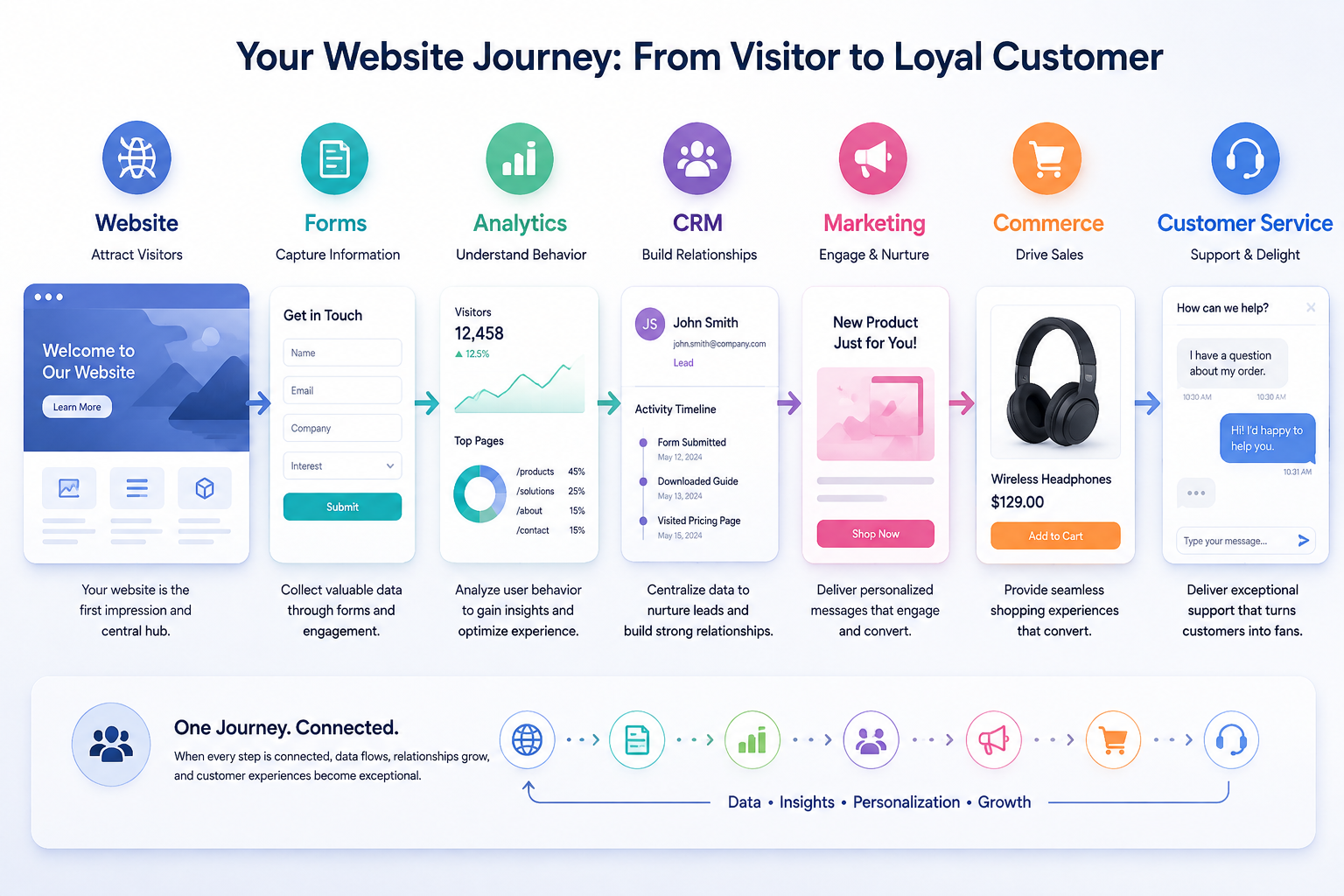
A modern website does much more than display information. Every interaction can involve data.

That's why privacy compliance is no longer something to add at the end of a webiste project. It needs to be considered as part of the digital experience and architecture from the beginning.
For global businesses, this becomes even more important because different markets have different requirements.
One Global Website. Different Privacy Rules
Three regulations that frequently come up in global digital projects are:
|
Regulation
|
Region
|
Key Focus
|
|
GDPR
|
EU / EEA
|
Personal data protection and user rights
|
|
CCPA / CPRA
|
California
|
Consumer privacy and control over personal information
|
|
PIPL
|
China
|
Personal information processing and cross-border data
|
They are not identical — PIPL, for example, imposes notably stricter requirements around moving data out of China, often requiring a security assessment, standard contract, or certification before a cross-border transfer can happen. GDPR and CCPA take different approaches to consent and user rights.
But all three push businesses toward greater control and transparency over customer data. And that affects the digital experience itself.
When Compliance Becomes a UX Problem
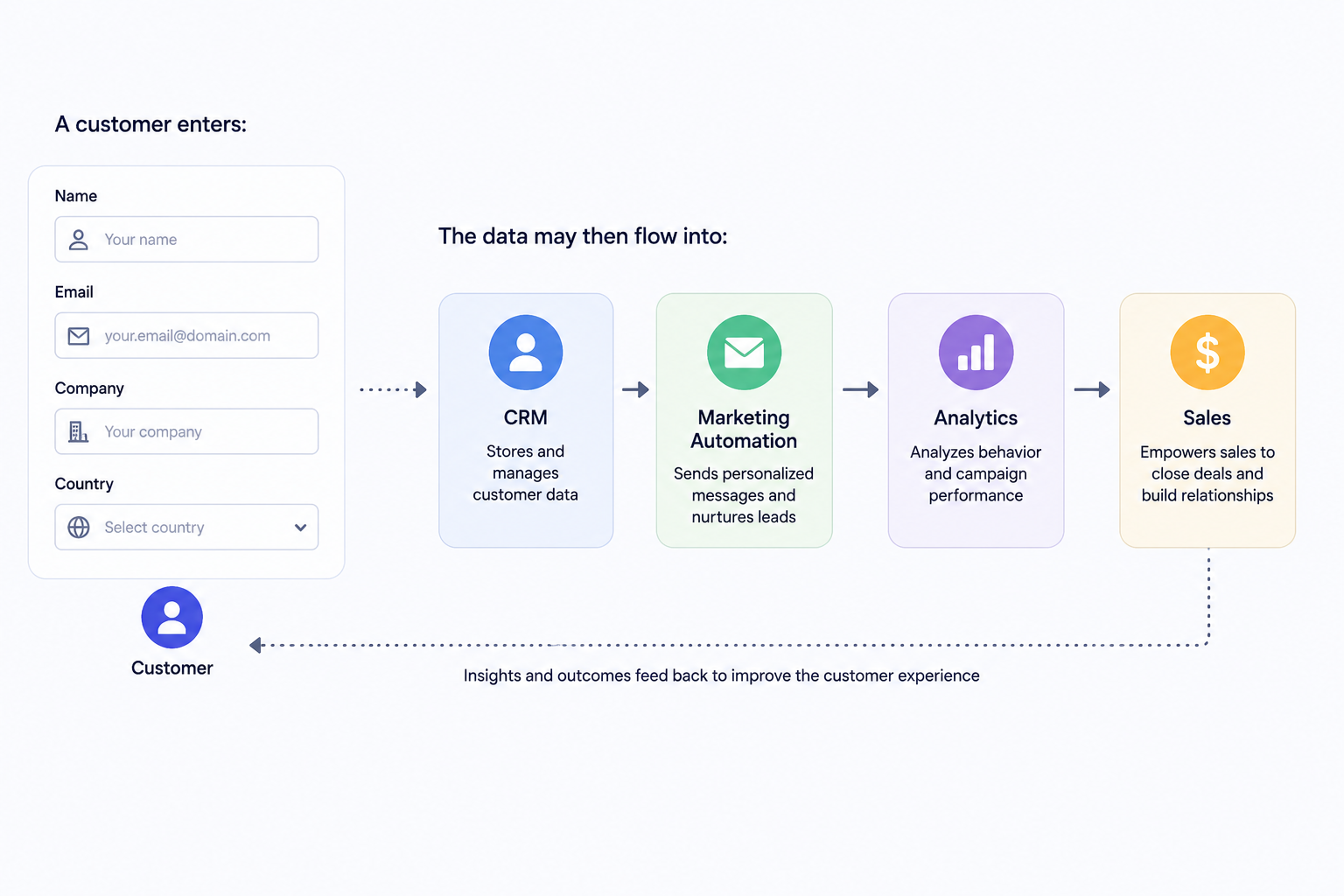
Think about a simple contact form.
To the customer, this is one form. To the business, it is an entire data journey.

Now imagine the same website serving customers in Europe, California, and China.
The company may need to consider different requirements around consent, data processing, user rights, and cross-border transfers.
This can affect:
● Cookie and consent management
● Registration forms
● Personalization
● Analytics
● Marketing automation
● CRM integration
● Customer accounts
● Cross-border data flows
Privacy isn't separate from the experience. It is part of the experience.
The Problem Gets Bigger as You Go Global
This is where many companies struggle. They want:
● One global brand.
● One digital strategy.
● One connected technology ecosystem.
But each market may require different rules, systems, and user experiences. The answer isn't necessarily to create a completely separate website for every country.
|
What stays global?
|
Brand governance, core content, product structures, and technology foundations.
|
|
What becomes local?
|
Consent experiences, market-specific data practices, local integrations, and customer journeys.
|
|
What must stay connected?
|
Content, products, customer information, marketing processes, and business operations.
|
The goal is: Global foundation + Local compliance.
Building Compliance Into The Architecture
So how do you actually build this?
At KGU Technology, we have more than 15 years of experience in digital platforms, content, marketing technology, and digital experience.
Our approach is not simply to add a privacy policy or a cookie banner. We look at the digital ecosystem behind the customer experience:
Content → CMS → Digital Experience → Commerce → Marketing → Data
Our KXP Digital Experience Platform brings together capabilities including CMS, B2B/B2C commerce, membership, e-learning, community, digital asset management, analytics, and digital marketing.
This gives businesses a foundation for managing content, customer experiences, and digital operations across markets — while allowing local requirements to be incorporated into the experience.
KXP supports multilingual and global content management, approval workflows, structured data models, and centralized content publishing.
Our role is to help turn those requirements into a practical digital experience and technology architecture.

From Compliance To Trust
Privacy and customer experience don't have to compete.
A clear consent experience is better than a confusing one. A transparent explanation of data collection is better than hidden tracking. And collecting only the information you actually need is better for both the customer and the business.
As global digital experiences become more complex, businesses face different regulations, customer expectations, and technology environments across markets. The challenge is to balance global consistency with local flexibility without creating disconnected digital experiences.
Good compliance design can do more than reduce risk. It can build trust.
At KGU Technology, we help businesses build connected digital foundations that adapt to local requirements while keeping content, technology, data, and customer experiences aligned.
Not just build websites. Not just manage content. But connect the digital experience behind them.
Because compliance isn't the end of the digital experience. It's part of building an experience customers can trust.
Explore KGU Technology and KXP Digital Experience Platform